HCA Medical Center Dallas

  • Healthcare
  • Dallas, TX
  • 579,000 SF
Location
Dallas, TX
Size
579,000 SF
Client
Neal Richards Group
Design Partner
E4H Architecture

Overview

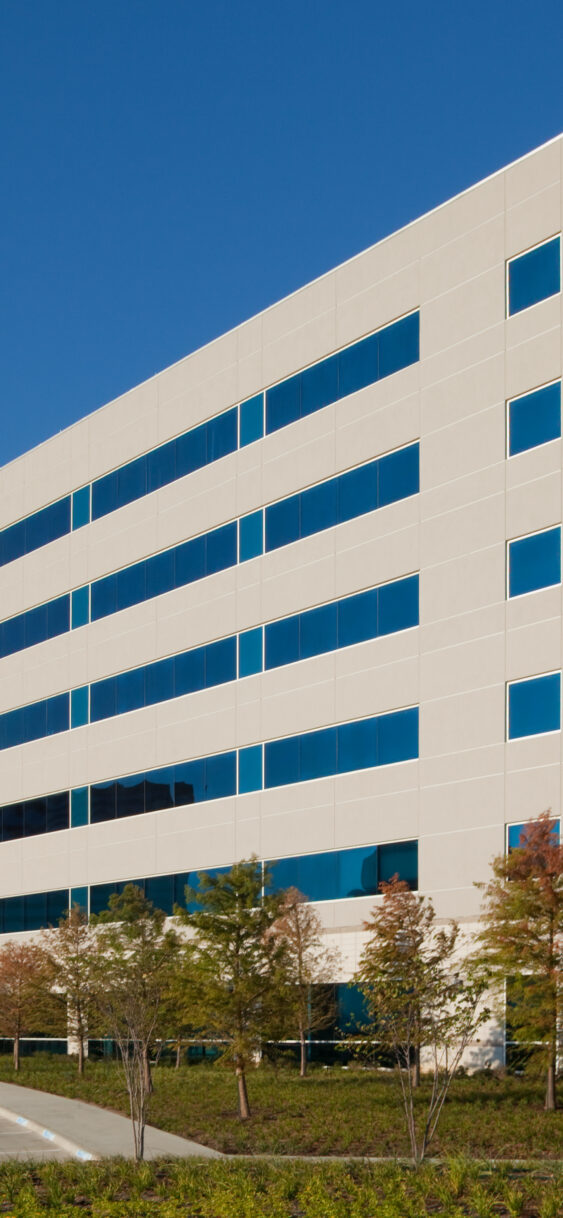
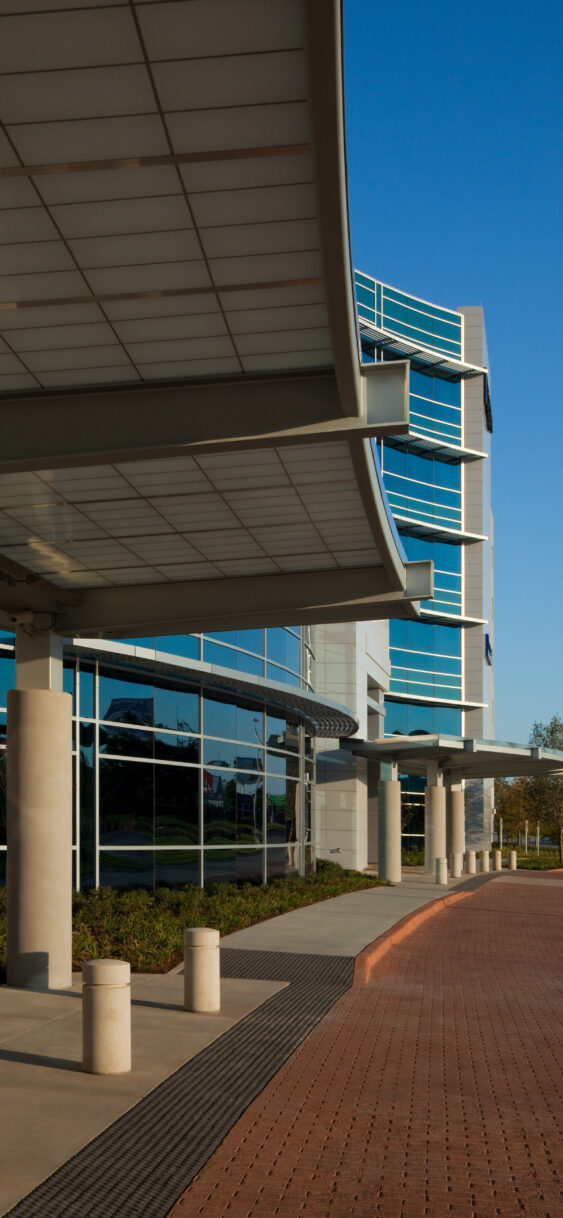
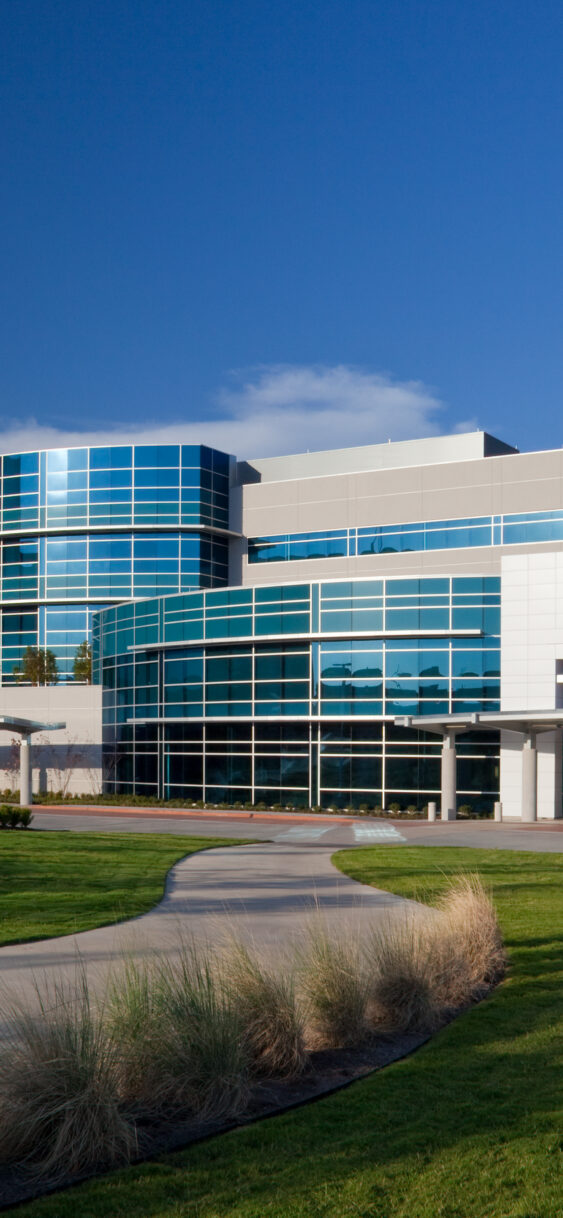
Phase III of Forest Park Medical Center consisted of the development of a new surgical hospital, medical office building, and parking garage on a 7-acre site in North Dallas. The project expanded the campus with advanced clinical capabilities while introducing sustainable design features and critical infrastructure to support long-term growth.

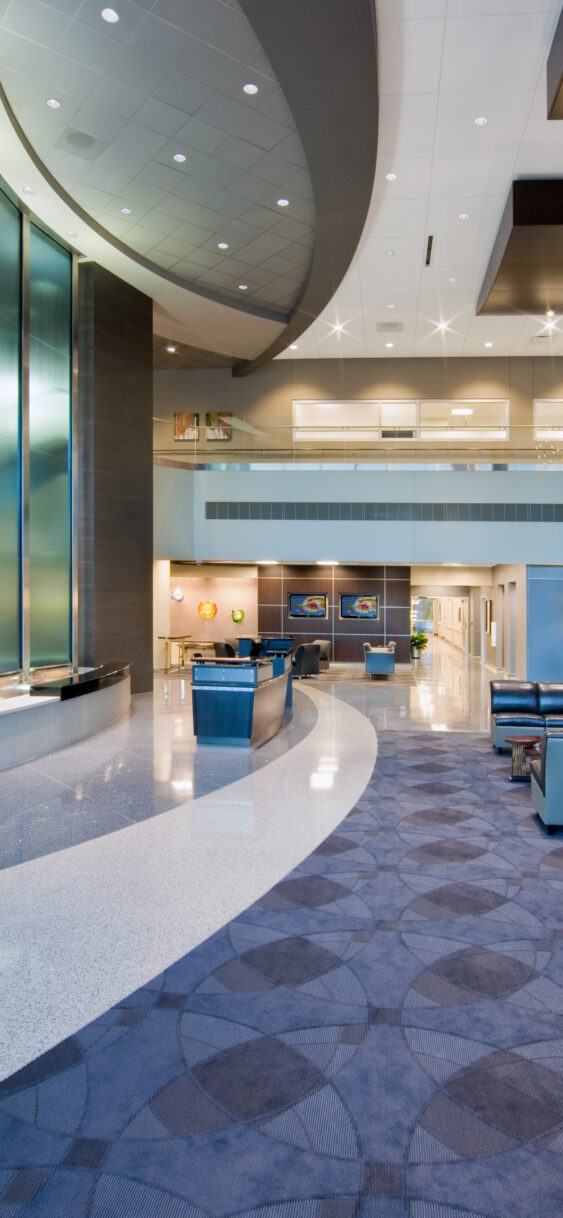
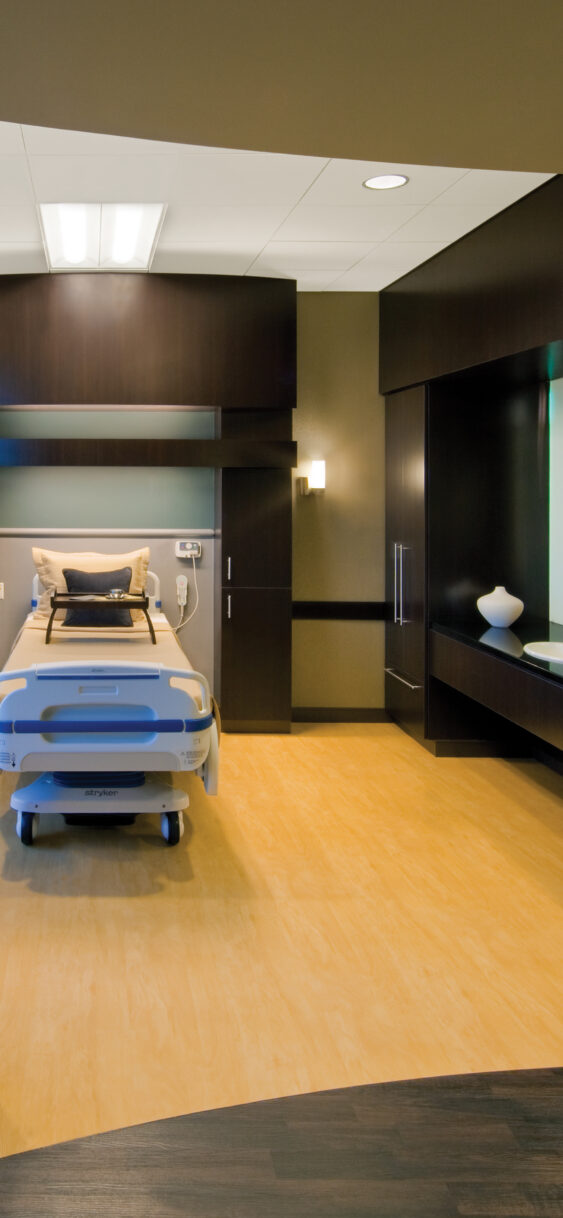
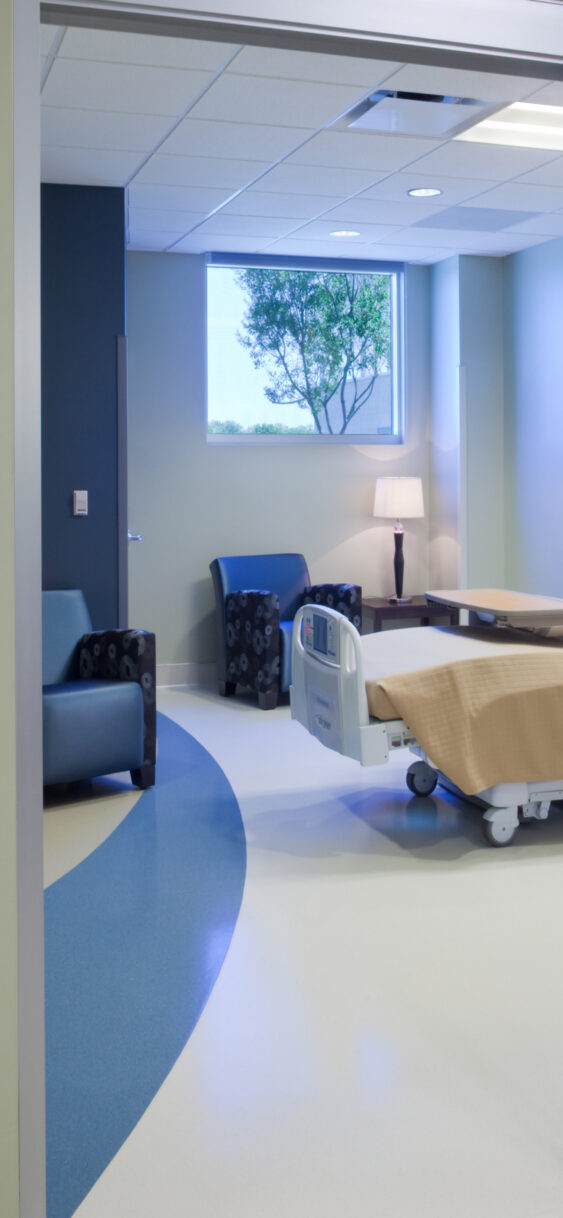
The new four-story, 125,000-square-foot hospital includes 54 patient beds, 14 operating rooms, and a Pediatric ICU, along with advanced diagnostic and treatment spaces. The facility features a grand entrance atrium and departments including endoscopy, sterile processing, radiology and fluoroscopy, nuclear medicine, pharmacy, laboratory, PACU, ICU, VIP patient suites, and private patient rooms. The cast-in-place concrete structure is clad in stucco, masonry veneer, metal panels, and curtain wall glazing. The hospital incorporates vegetative “green” roof systems and is designed to achieve LEED Silver Certification.
More about the project

The six-story, 138,000-square-foot Medical Office Building (MOB) provides additional clinical and support space for the campus. The structure includes a large atrium, auditorium, dining facilities, kitchen, and shell space for future clinic tenants.

A new five-story, 308,000-square-foot parking garage provides approximately 750 parking spaces and includes architectural features such as burnished CMU, precast panels, curtain wall elements, and vegetative trellises. The garage also houses the project’s 8,000-square-foot Central Utility Plant, which supports the hospital and MOB with chilled water, heating water, steam generation, medical gas systems, and electrical infrastructure. The plant includes multiple centrifugal chillers, cooling towers, boilers, pumps, and emergency power systems designed to serve both the new facilities and the existing hospital campus.

The development also included significant site preparation and infrastructure improvements. Due to expansive soils and prior site use, the building pad required excavation to a depth of 12 feet, reconditioning, and recompaction. More than 27,000 tons of buried concrete debris from previous site uses were removed prior to construction. Because the property lies within a flood zone, an 800-foot-long retaining wall was constructed along an adjacent creek. Utility improvements included new water, sanitary sewer, storm sewer, and natural gas lines serving the campus.